

|
|
|
 Home News Service Business News for Contributors Columnists Photos Graphics Caricatures Budget | Live Illustrations Paginated Pages Kids Content What's Next Trendsetter (New) Plugged In News2Use Graficos en Espanol Grafiken auf Deutsch Web-Ready Graphics Web Animations/Videos 
FAQs/User's Guides Contact Us How to Use This Site How to Buy Feedback |
 |
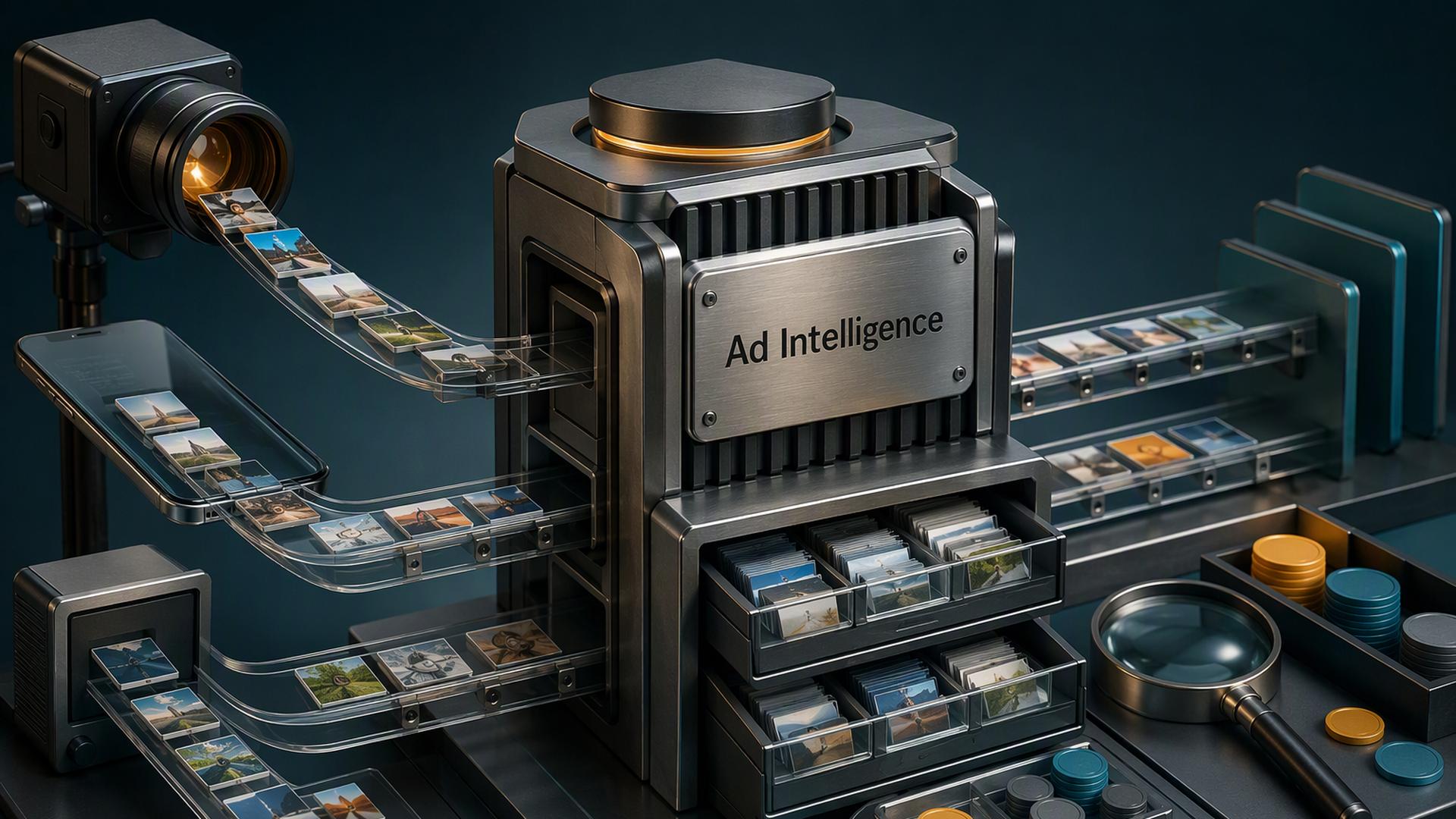 Ad Intelligence Tools Explained: How Competitive Ad Data Is CollectedAd intelligence tools promise to show what competitors are running, how long they have run it, and which ads seem to be working. Behind that promise sits a fairly plain set of data pipelines, and knowing how they work explains both what the tools do well and where they stop. Where the raw data startsAlmost all competitive ad data begins in public sources. Platforms publish ad libraries, partly for transparency and partly because regulation requires it, and tools collect from those libraries on a schedule. Meta's Ad Library, Google's Ads Transparency Center and TikTok's Commercial Content Library are the best known. A tool then adds structure. It stores each ad's creative, text, start date, and advertiser, tracks when it disappears, and links it to a brand. GetHookd describes the process on its Meta Ads Library page as continuously indexing the full Facebook Ads Library with daily updates, and its homepage says the library refreshes every day and tracks ads that are live now. A related history is told in an article that explains Oracle discontinued Moat Ad Search, which left marketers without display ad tracking, historical ad data, and heatmap engagement analytics, and shows why marketers keep looking for replacement sources. Read the full overview at https://www.gethookd.ai/learn/4-best-moat-…try-in-2026/. What official libraries exposeOfficial libraries are generous with some data and quiet about the rest. According to Meta's Ad Library tools page, people can search all active ads running across its products, and for ads about social issues, elections or politics Meta provides additional information, including spend, reach and funding entities. The Ad Library API supports deeper analysis of those ads and of ads that deliver to the EU and associated territories. That explains the shape of the data tools can offer. For ordinary commercial ads outside the EU the library mostly shows what is active now, so a tool that wants history has to record it as it goes. For EU-delivered ads, extra fields such as reach and targeting summaries are available. No official library publishes conversion rates, revenue or exact budgets for commercial ads. Anything a tool presents on those topics comes from its own estimates or from proxies. Understanding that boundary prevents a common mistake, which is treating a tool's ranking as if it were a platform statistic. Rankings built on run length and variation counts can be helpful, but they inherit every blind spot of the data beneath them, including ads that were never indexed and campaigns that changed targeting without changing creative. How tools fill the gapsTools combine several methods. Crawlers and API calls collect ads from the libraries, and user actions extend coverage. GetHookd's FAQ explains that installing its free Chrome extension, opening Facebook's Ad Library, and saving an ad pulls that brand and everything it runs into the platform, where it becomes searchable. Coverage grows partly because users point the tool at brands it has not yet indexed. Enrichment comes next. Software can transcribe video ads, tag hooks and formats, capture landing pages and compute a score. GetHookd says its AI-powered performance scoring evaluates campaign longevity, creative testing patterns, and engagement velocity, which are all derived from observable behavior, not from private results. Storage turns a snapshot into a record. Because libraries often drop ads once they stop running, a tool that keeps copies lets users study a competitor's creative history, a capability the platform emphasizes when it says saved ads stay accessible after advertisers turn them off. Reading the output with careThe outputs deserve skepticism proportional to how far they stray from observation. Facts such as an ad's start date, copy, and format are direct. Statements such as an ad is winning rest on inference, usually from how long it has run or how many versions exist. GetHookd's own FAQ draws the line carefully. It says that everything it shows is observable in the public ad library, such as which ads are live, how long each has been running, how many a brand has running, and the actual copy, and that it does not estimate a brand's revenue or invent a spend figure. That is a useful standard for judging any tool in the category. When a vendor does offer estimates, ask how they are produced and what error margin applies. A number without a method is a guess in a nicer font. Ask for the method in writing, and keep the answer. Limits worth knowing before you buyCoverage is the first limit. GetHookd's FAQ says its library covers Meta, meaning Facebook and Instagram, and that TikTok is not included today. It also says coverage is thinnest in smaller countries and in service or information niches, and it suggests the Chrome extension as the standard fix. Timeliness is the second. Daily updates are fast for planning but not instant, and an ad that ran for six hours may never appear. Fast-moving categories such as promotions and event marketing are most affected. Finally, check the terms of use and local rules. Public ad data is published for transparency, but tools differ in how they store and share it, and teams in regulated industries should confirm that their use of the output is acceptable to their compliance function. Keep a record of which sources fed each report, so that findings can be traced back if a client or colleague questions them later. |
|

News/Business Sports Features Calendar Editor's Picks 
Preferences 
TOUR KRT! E-mail Alert Signup Newsletter Terms, Conditions Student Media Jobs (New Jobs) Latest & Greatest Banner Ads  Not for reproduction without permission. Limitations on use of material on this site. |
